Create a file named questa_env.sh at the root of your portable folder:
mkdir -p ~/PortableApps/QuestaSim chmod +x Questa_Sim_Linux_x86_64.run ./Questa_Sim_Linux_x86_64.run --mode target --target ~/PortableApps/QuestaSim Use code with caution. Isolate the Dependency Libraries
Modern Linux portable formats include AppImage, which bundles an application and its dependencies into a single executable file . Unfortunately, QuestaSim (and most professional EDA tools) isn’t distributed as an AppImage. However, we can create a portable instance ourselves.
When the graphical installer asks for an installation path, point it to (e.g., /media/myusb/Portable_EDA/questa_sim_2021 )**.
If you are using a node-locked license (specific to a MAC address), you must store the license.dat file inside the portable folder. This is the first step to making the tool relocatable.
sudo dnf install glibc.i686 ncurses-libs.i686 libstdc++.i686 libXft.i686 libXext.i686 sudo dnf install libXft libXext ncurses-libs Use code with caution. Setting Up the License for Portable Use
If using a .run installer script, you can often extract the payload directory directly using command-line switches instead of going through the GUI wizard:
The primary barrier to Linux portability is the "dependency hell" caused by shifting GLIBC versions and missing shared libraries ( .so files) across different Linux distributions (e.g., Red Hat Enterprise Linux vs. Ubuntu). 1. Trace Missing Dependencies
When writing compilation Tcl scripts ( compile.do ), avoid absolute paths. Use relative paths so your scripts function perfectly regardless of where the portable directory is moved.
Share identical execution environments across team members to eliminate the "works on my machine" bug.
sudo yum install redhat-lsb libXext libXft ncurses-libs
To make your installation portable, you'll rely on environment variables. This is the key to running QuestaSim from any directory you choose.
sudo dpkg --add-architecture i386 sudo apt-get update sudo apt-get install build-essential sudo apt-get install gcc-multilib g++-multilib sudo apt-get install libxft2:i386 libxext6:i386 libncurses5:i386
Mentor Graphics (now Siemens EDA) is a leading simulation tool for HDL (Hardware Description Language) verification, widely used in the industry for SystemVerilog, VHDL, and SystemC. While professional EDA tools usually require a robust, system-wide installation, a "portable" or simplified installation method is often sought by students, engineers, or developers looking to set up their environment quickly on various Linux distributions.
If you want to run QuestaSim on a modern distro (like Ubuntu 24.04) without worrying about old library dependencies, use Docker.
: Edit the .bashrc file in your home directory. You can use any text editor:
sudo apt-get install libc6 libstdc++6 libxext6 libxft2 libxrender1 Use code with caution.
Set the MGLS_LICENSE_FILE variable to point to your organization's network license server (e.g., port@hostname ).
Linux Portable [verified] | Download Questasim For
Create a file named questa_env.sh at the root of your portable folder:
mkdir -p ~/PortableApps/QuestaSim chmod +x Questa_Sim_Linux_x86_64.run ./Questa_Sim_Linux_x86_64.run --mode target --target ~/PortableApps/QuestaSim Use code with caution. Isolate the Dependency Libraries
Modern Linux portable formats include AppImage, which bundles an application and its dependencies into a single executable file . Unfortunately, QuestaSim (and most professional EDA tools) isn’t distributed as an AppImage. However, we can create a portable instance ourselves.
When the graphical installer asks for an installation path, point it to (e.g., /media/myusb/Portable_EDA/questa_sim_2021 )**.
If you are using a node-locked license (specific to a MAC address), you must store the license.dat file inside the portable folder. This is the first step to making the tool relocatable. download questasim for linux portable
sudo dnf install glibc.i686 ncurses-libs.i686 libstdc++.i686 libXft.i686 libXext.i686 sudo dnf install libXft libXext ncurses-libs Use code with caution. Setting Up the License for Portable Use
If using a .run installer script, you can often extract the payload directory directly using command-line switches instead of going through the GUI wizard:
The primary barrier to Linux portability is the "dependency hell" caused by shifting GLIBC versions and missing shared libraries ( .so files) across different Linux distributions (e.g., Red Hat Enterprise Linux vs. Ubuntu). 1. Trace Missing Dependencies
When writing compilation Tcl scripts ( compile.do ), avoid absolute paths. Use relative paths so your scripts function perfectly regardless of where the portable directory is moved. Create a file named questa_env
Share identical execution environments across team members to eliminate the "works on my machine" bug.
sudo yum install redhat-lsb libXext libXft ncurses-libs
To make your installation portable, you'll rely on environment variables. This is the key to running QuestaSim from any directory you choose.
sudo dpkg --add-architecture i386 sudo apt-get update sudo apt-get install build-essential sudo apt-get install gcc-multilib g++-multilib sudo apt-get install libxft2:i386 libxext6:i386 libncurses5:i386 However, we can create a portable instance ourselves
Mentor Graphics (now Siemens EDA) is a leading simulation tool for HDL (Hardware Description Language) verification, widely used in the industry for SystemVerilog, VHDL, and SystemC. While professional EDA tools usually require a robust, system-wide installation, a "portable" or simplified installation method is often sought by students, engineers, or developers looking to set up their environment quickly on various Linux distributions.
If you want to run QuestaSim on a modern distro (like Ubuntu 24.04) without worrying about old library dependencies, use Docker.
: Edit the .bashrc file in your home directory. You can use any text editor:
sudo apt-get install libc6 libstdc++6 libxext6 libxft2 libxrender1 Use code with caution.
Set the MGLS_LICENSE_FILE variable to point to your organization's network license server (e.g., port@hostname ).
Download our latest research Marketer of the Future:
Download
NIVEA's Global VP, Tobias Collée, shares on the importance of humanity and cultural respect, as part of the Candid CMO series.
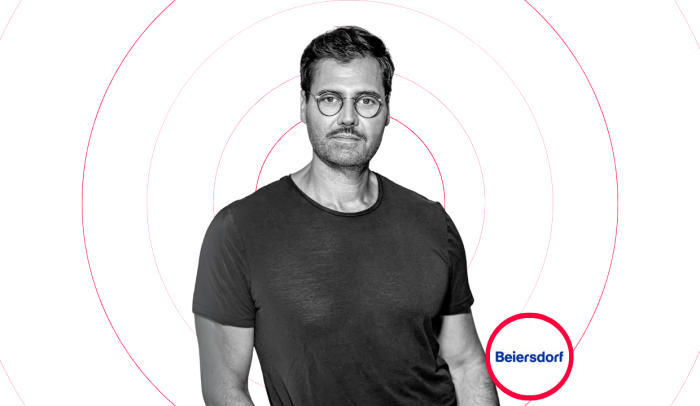
Read the interview
Global Marketer Week 2026
Stockholm
Register
Outlook
WFA's media price inflation forecast tool
Download
WFA Forums and Communities bring peers together to address their priority issues and most pressing business challenges. These groups are client only, so no agencies, media or suppliers. They are conducted under Chatham House Rules and always under strict compliance with competition rules.
WFA initiatives are designed to drive positive change for the benefit of brand advertisers, people and society at large.
WFA events bring members together to exchange insight and engage with their peers on their priority issues.
WFA develops bespoke marketing and policy tools to help members benchmark performance, view forecasts and monitor policy and marketing trends.