Physics For Gearheads Pdf «Web»
by Randy Beikmann is a 604-page guide designed to explain complex scientific principles through the lens of automotive performance and motorsports. Rather than acting as a simple car setup manual, it serves as a practical physics textbook that uses vehicles to illustrate every major concept, from basic straight-line motion to advanced vehicle design for maximum performance. Amazon.com Core Physics Concepts Explored
An internal combustion engine or electric motor is essentially a device that converts potential energy (chemical or electrical) into kinetic energy.
: Hot air is less dense and can cause premature detonation (engine knock). Intercoolers pass the compressed air through a heat exchanger to lower its temperature, maximizing density and safety before it enters the engine. Summary Cheat Sheet for Gearheads Car Behavior Key Factor Inertia How hard it is to start/stop moving Vehicle mass Weight Transfer Front dip under braking, body roll in corners Center of gravity height Static Friction Maximum cornering and launch grip Tire compound & temperature Aerodynamic Drag Power required to maintain high top speeds Velocity squared ( v2v squared Thermal Density Making more power via forced induction Intercooling cold air
Fd=12ρv2CdAcap F sub d equals one-half rho v squared cap C sub d cap A is air density, is velocity, Cdcap C sub d is the drag coefficient, and is the frontal area of the car. Because velocity (
[Braking Force] ---> [Weight Shifts Forward] ---> [Front Tires Compress / Rear Tires Unload] physics for gearheads pdf
The topic of "physics for gearheads" implies a focus on applied physics, particularly in the context of automotive engineering and performance. A PDF resource on this topic might cover subjects such as:
Performance cars use aerodynamic elements like wings, splitters, and diffusers to create downforce (negative lift). By pushing the car down into the track, downforce increases the normal force ( FNcap F sub cap N
Plus, the book includes six appendices covering units, math reference, symbols, a glossary, and more, rounding out its total of 590 pages.
Altering camber, caster, and toe changes the tire contact patch alignment under hard cornering forces. by Randy Beikmann is a 604-page guide designed
: Visualizing force vectors at the tire contact patch.
At the heart of automotive science are Sir Isaac Newton’s Laws of Motion.
If you're interested in downloading a PDF version of "Physics for Gearheads," I recommend checking online libraries, such as:
Kinematics is the study of how things move—speed, velocity, and acceleration—without yet worrying about the forces that cause that motion. : Hot air is less dense and can
: Compressing air increases its density (allowing more oxygen into the cylinder for a bigger combustion), but it also increases the air's temperature.
This measures how effectively an engine breathes. Turbochargers and superchargers artificially force more air mass into the cylinders, drastically improving this metric and boosting power output. 3. Tire Mechanics and the Circle of Friction
Look, buying a cold air intake feels good. The sound is nice. But the physics says you might gain 3 HP if the air density and resonance are perfect. Alternatively, adjusting your tire pressure by 2 PSI (based on the Ideal Gas Law) might gain you seconds on a track day.



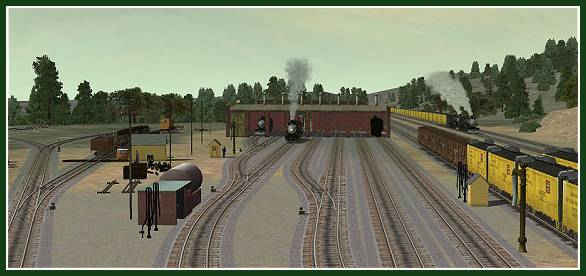
 90
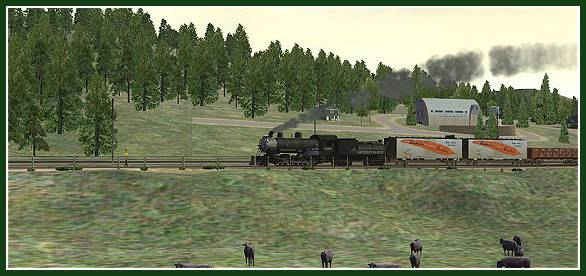
miles of extreem mountain railroading
between West Colfax and East
Truckee on the Roseville Subdivison.
50s era.
90
miles of extreem mountain railroading
between West Colfax and East
Truckee on the Roseville Subdivison.
50s era.