Show Focus Points
2019 update released! Check out download page for details
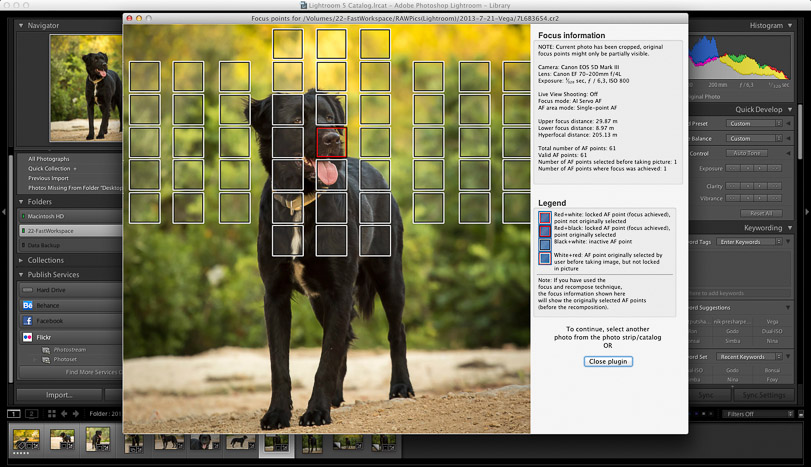
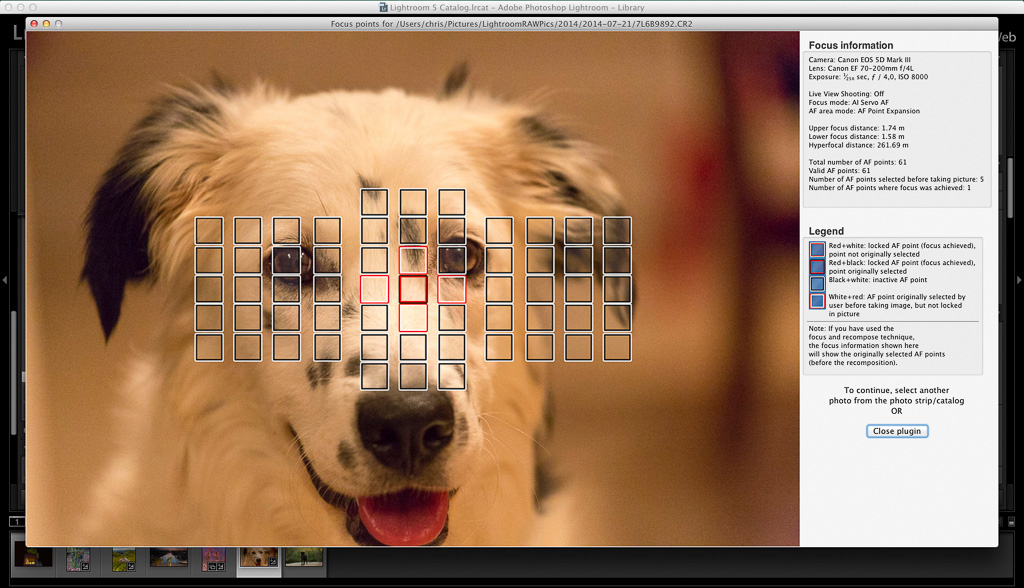
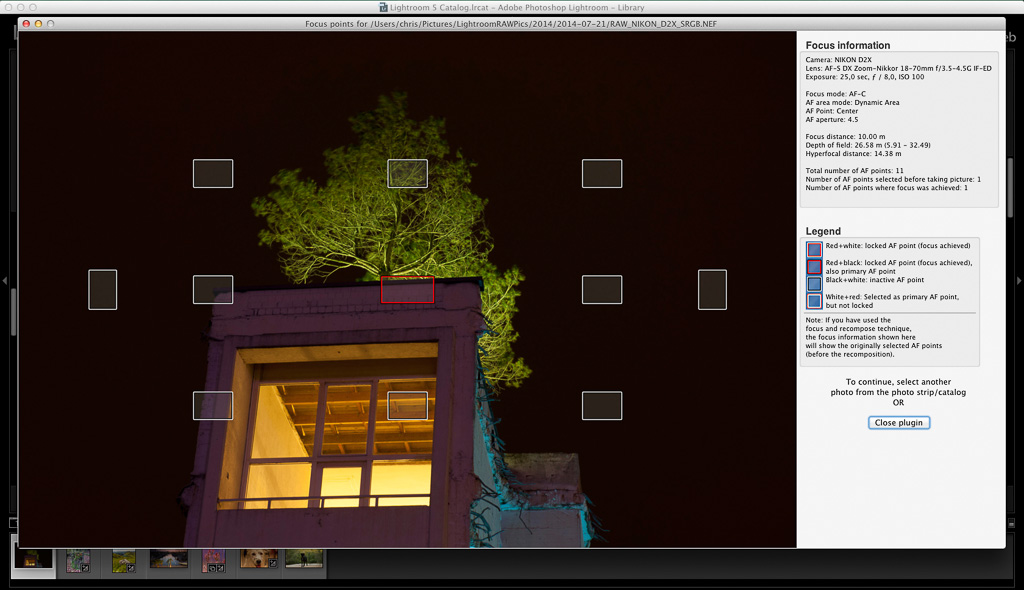
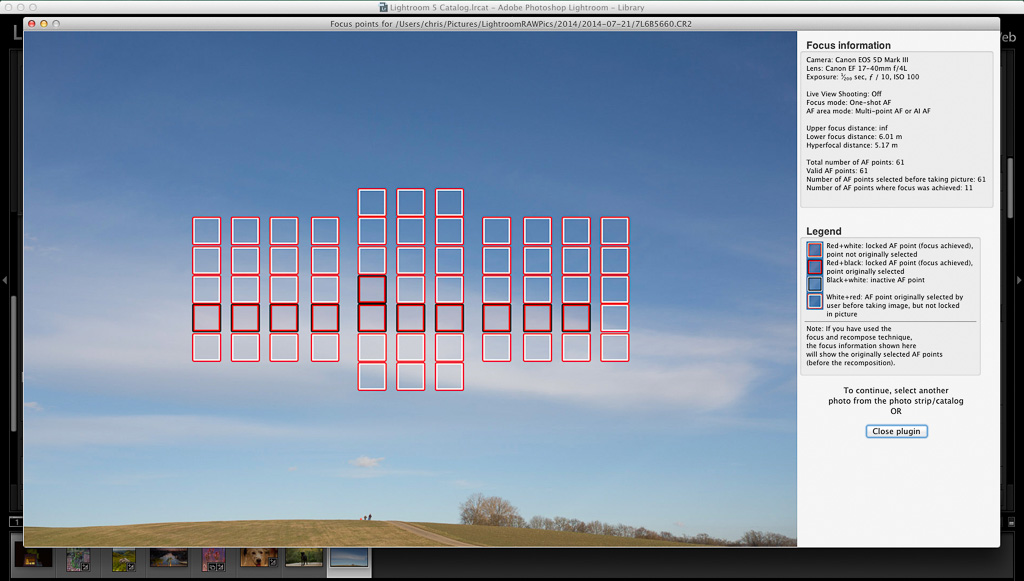
Show Focus Points is a plugin for Adobe Lightroom. It shows you which focus points were selected by your camera when the photo was taken.
Show Focus Points
2019 update released! Check out download page for details
Show Focus Points is a plugin for Adobe Lightroom. It shows you which focus points were selected by your camera when the photo was taken.
Show Focus Points is a plugin for Adobe Lightroom which shows you which of your camera's focus points were used when you took a picture.
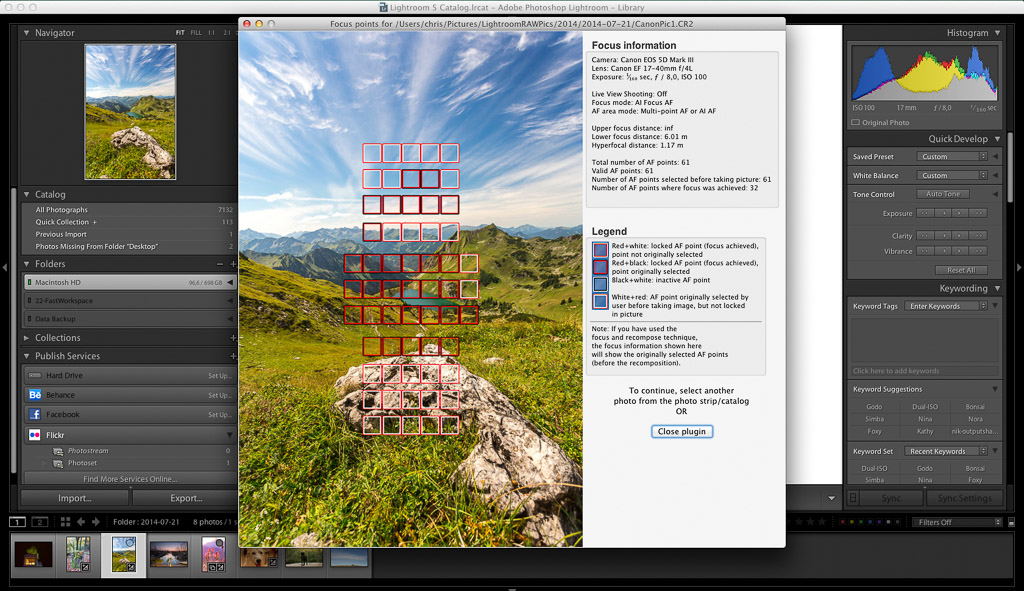
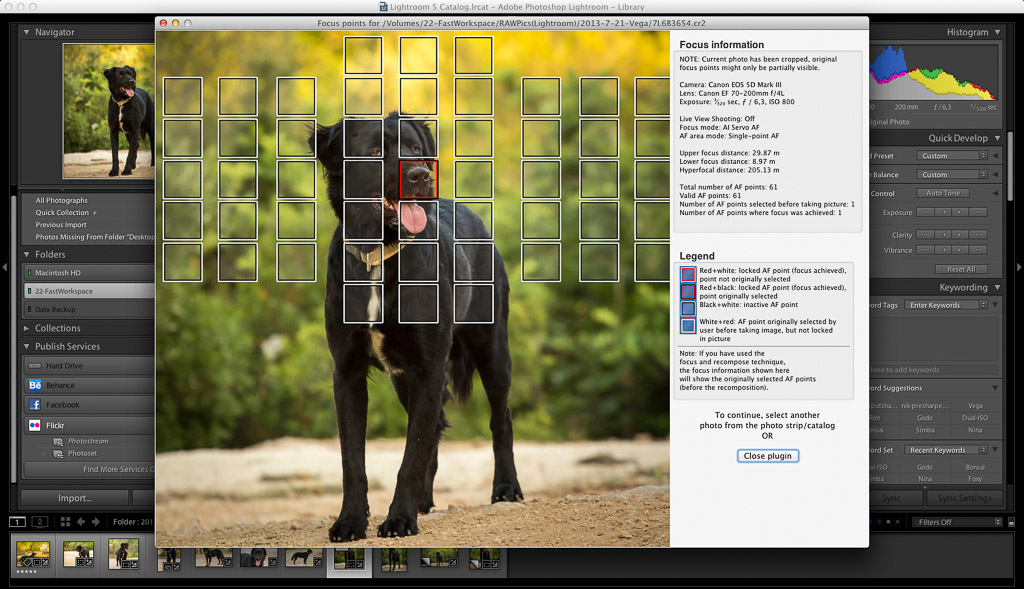
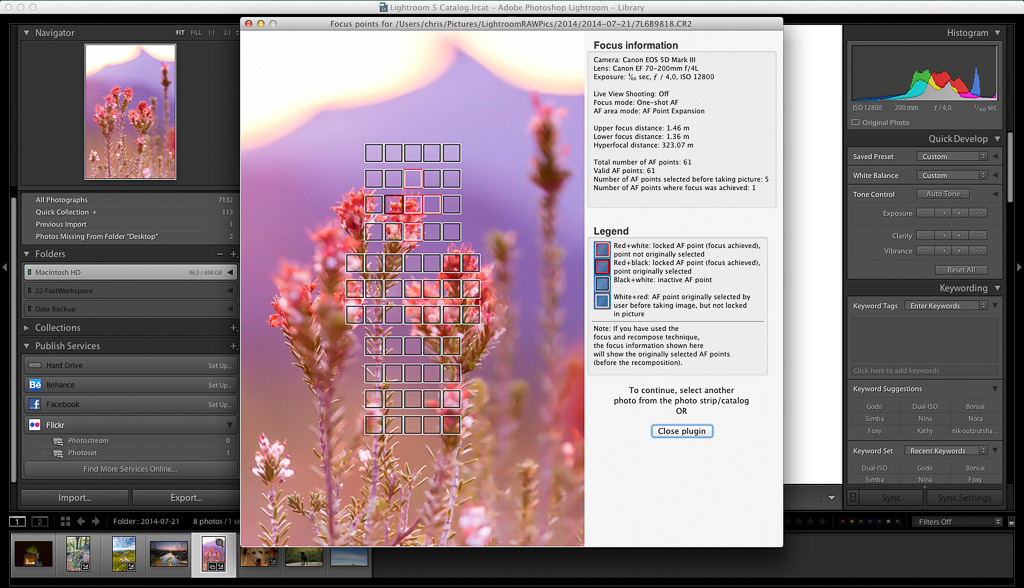
Below find some screenshots of the plugin in action.
Click on the images to enlarge them.
Download Mac-only version (6.6 MB)
Download Windows-only version (14 MB)
Download version containing both Mac+Windows versions (20 MB)
Insert all 3 jumpers for maximum 1/16 microstepping.
The board supports 3-pin limit switches (VCC, GND, Signal) or 2-pin mechanical switches. Connect the switches to X+ , X- , Y+ , Y- . Note: Generally, only X- and Y- are used for homing. 4. Firmware and Software Setup
The official manual is the single source of truth. Use GitHub search MKS-DLC21 manual and look for the PDF in the hardware folder. No live link is guaranteed, but the path above will always lead you to the most recent version.
The MKS DLC V2.1 is designed to be an easy-to-use offline controller, meaning it can run a laser job without being continuously connected to a computer. 32-bit high-speed processor. Firmware: GRBL compatible (Open Source).
: Primary repository containing pinout diagrams and schematics. MKS DLC32 V2.1 Wiring Manual (PDF) makerbase mks dlc v21 manual link
For wiring limit switches, lasers, or motors, refer to the MKS DLC V2.1 PIN guide .
Navigating documentation for maker hardware can sometimes feel like a scavenger hunt. To make your journey easier, here is a single reference table with all the essential resources.
(like TMC2208) for quieter operation.
The MKS DLC V21 offers a range of advanced configuration options, including: Insert all 3 jumpers for maximum 1/16 microstepping
Jump to the . This is your cheat sheet for configuring Marlin’s pins_MKS_DLC_V2_1.h or Klipper’s mcu.cfg . Pay special attention to:
Download the PDF, keep it on your smartphone or tablet next to your workbench, and always double-check pinouts before soldering or crimping. Whether you are tuning Klipper or debugging a thermal runaway, the manual’s diagrams and tables will save you hours of frustration.
While the original MKS DLC was based on an 8‑bit ATmega328P processor, the V2.1 most commonly refers to the , which is built around a powerful 32‑bit ESP32‑WROOM‑32U module. This upgrade brings significantly faster processing, onboard WiFi, offline engraving, and a host of other modern features.
Useful for Z-axis height probing or auto-leveling tasks. 4. Software Setup & Firmware Note: Generally, only X- and Y- are used for homing
A comprehensive MKS DLC32 Wiring Manual covers power input, motor drive settings, and laser module connections.
: This is the most authoritative source for legacy DLC boards. 🔗 Access the MKS-DLC GitHub Repository for Manual Link : https://github.com/makerbase-mks/MKS-DLC . It includes a direct User Manual . 🔗 Direct Link to the User Manual Wiki : https://github.com/makerbase-mks/MKS-DLC/wiki/MKS-DLC-User-Manual . It covers features, firmware uploads, and basic configurations.
For advanced troubleshooting or modifications, the MKS DLC V2.1 Schematic is available on GitHub.
If you are building a new machine, replacing an old controller, or troubleshooting your current setup, having the right documentation is critical. Below is the direct portal to the official manufacturer resources, followed by a comprehensive setup manual to get your machine running perfectly. Official Makerbase MKS DLC V2.1 Manual Link
Insert all 3 jumpers for maximum 1/16 microstepping.
The board supports 3-pin limit switches (VCC, GND, Signal) or 2-pin mechanical switches. Connect the switches to X+ , X- , Y+ , Y- . Note: Generally, only X- and Y- are used for homing. 4. Firmware and Software Setup
The official manual is the single source of truth. Use GitHub search MKS-DLC21 manual and look for the PDF in the hardware folder. No live link is guaranteed, but the path above will always lead you to the most recent version.
The MKS DLC V2.1 is designed to be an easy-to-use offline controller, meaning it can run a laser job without being continuously connected to a computer. 32-bit high-speed processor. Firmware: GRBL compatible (Open Source).
: Primary repository containing pinout diagrams and schematics. MKS DLC32 V2.1 Wiring Manual (PDF)
For wiring limit switches, lasers, or motors, refer to the MKS DLC V2.1 PIN guide .
Navigating documentation for maker hardware can sometimes feel like a scavenger hunt. To make your journey easier, here is a single reference table with all the essential resources.
(like TMC2208) for quieter operation.
The MKS DLC V21 offers a range of advanced configuration options, including:
Jump to the . This is your cheat sheet for configuring Marlin’s pins_MKS_DLC_V2_1.h or Klipper’s mcu.cfg . Pay special attention to:
Download the PDF, keep it on your smartphone or tablet next to your workbench, and always double-check pinouts before soldering or crimping. Whether you are tuning Klipper or debugging a thermal runaway, the manual’s diagrams and tables will save you hours of frustration.
While the original MKS DLC was based on an 8‑bit ATmega328P processor, the V2.1 most commonly refers to the , which is built around a powerful 32‑bit ESP32‑WROOM‑32U module. This upgrade brings significantly faster processing, onboard WiFi, offline engraving, and a host of other modern features.
Useful for Z-axis height probing or auto-leveling tasks. 4. Software Setup & Firmware
A comprehensive MKS DLC32 Wiring Manual covers power input, motor drive settings, and laser module connections.
: This is the most authoritative source for legacy DLC boards. 🔗 Access the MKS-DLC GitHub Repository for Manual Link : https://github.com/makerbase-mks/MKS-DLC . It includes a direct User Manual . 🔗 Direct Link to the User Manual Wiki : https://github.com/makerbase-mks/MKS-DLC/wiki/MKS-DLC-User-Manual . It covers features, firmware uploads, and basic configurations.
For advanced troubleshooting or modifications, the MKS DLC V2.1 Schematic is available on GitHub.
If you are building a new machine, replacing an old controller, or troubleshooting your current setup, having the right documentation is critical. Below is the direct portal to the official manufacturer resources, followed by a comprehensive setup manual to get your machine running perfectly. Official Makerbase MKS DLC V2.1 Manual Link