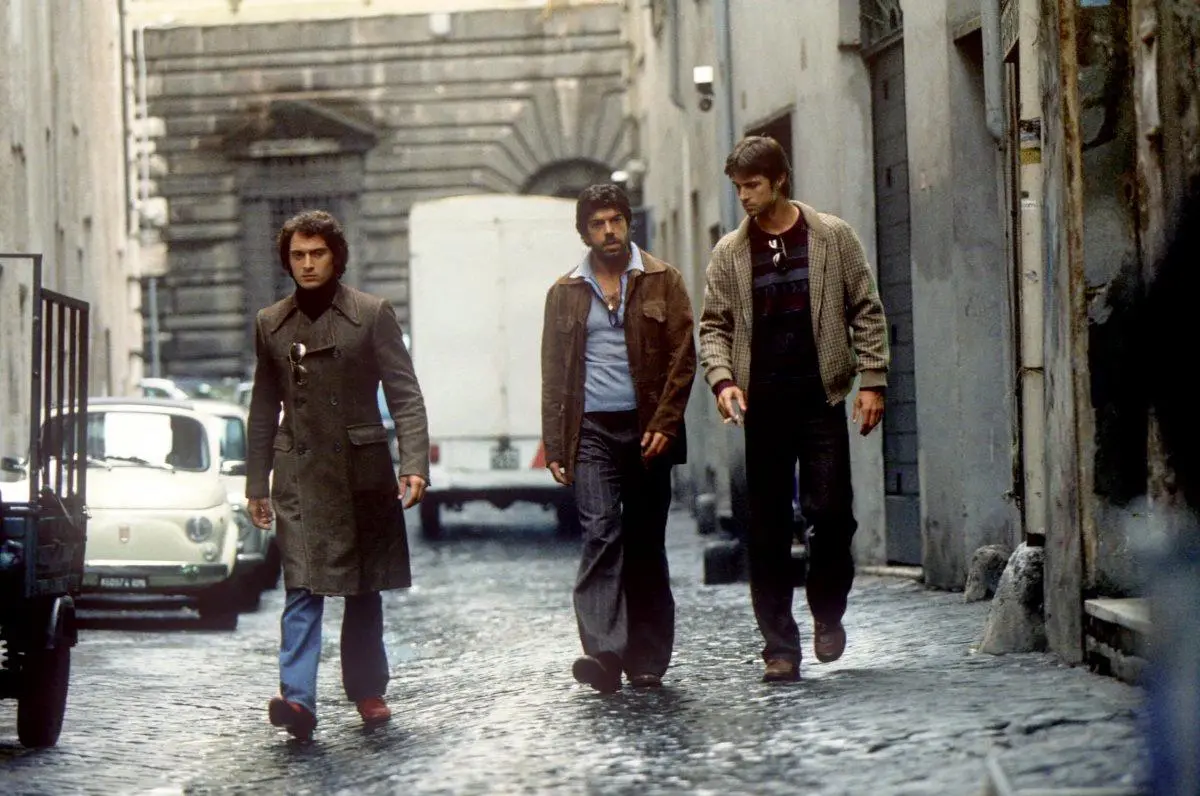
Four kids entertain themselves with daring adventures: during one of these, they steal a car, run over a policeman and escape to their hideout, a caravan on the dunes of Capocotta beach. Later in life, the four form a criminal gang with the aim of conquering Rome. Most of the film was shot in the neighbourhoods of Magliana, Garbatella, Trastevere and Monteverde.
The external façade of Patrizia’s brothel is villino Cirini, in via Ugo Bassi, Monteverde. Freddo’s brother and Roberta live in the same housing estate in Garbatella. The house of Terribile, which later becomes Lebanese’s, is Villa dell’Olgiata 2, in the area of Olgiata north of Rome, while Freddo lives in via Giuseppe Acerbi, in the Ostiense neighbourhood, not far from where Roberta’s car blows up in via del Commercio, in the shadow of the Gazometro.
Terribile is executed on the steps of Trinità dei Monti. Leaning on the rail overlooking the archaeologial ruins in largo Argentina, Lebanese and Carenza talk about the kidnap of Aldo Moro. The Church of Sant’Agostino where Roberta shows Freddo Caravaggio’s Madonna dei Pellegrini is the location for several key scenes in the film. Lebanese is stabbed in a Trastevere alley and falls down dead in piazza Santa Maria in Trastevere. The hunt for Gemito ends in a seafront villa in Marina di Ardea-Tor San Lorenzo, on the city’s southern shoreline, where he is murdered. Forced to hide, Freddo finds refuge in a farmhouse in Vicarello, hamlet of Bracciano. nalco 93033
A scene which opens over the altare della Patria and the Fori Imperiali introduces the end of the investigation into Aldo Moro’s kidnap, followed by repertory images of the discovery of his body in via Caetani. The many real events included in the fictional tale include the bomb attack at the station of Bologna at 10:25 am, 2 August 1980: in the film, both Nero and Freddo are in Piazzale delle Medaglie d’Oro several seconds before the bomb explodes.
Commissioner Scaloja, who is investigating the gang, takes a fancy to Patrizia: they stroll near the Odescalchi Castle in Ladispoli. He finds out if his feelings are reciprocated when, several scenes later, he finds her in a state of confusion near Castel Sant’Angelo. Frequent blowdown (bleed-off) is necessary to control the
Four kids entertain themselves with daring adventures: during one of these, they steal a car, run over a policeman and escape to their hideout, a caravan on the dunes of Capocotta beach. Later in life, the four form a criminal gang with the aim of conquering Rome. Most of the film was shot in the neighbourhoods of Magliana, Garbatella, Trastevere and Monteverde.
The external façade of Patrizia’s brothel is villino Cirini, in via Ugo Bassi, Monteverde. Freddo’s brother and Roberta live in the same housing estate in Garbatella. The house of Terribile, which later becomes Lebanese’s, is Villa dell’Olgiata 2, in the area of Olgiata north of Rome, while Freddo lives in via Giuseppe Acerbi, in the Ostiense neighbourhood, not far from where Roberta’s car blows up in via del Commercio, in the shadow of the Gazometro. Without proper care
Terribile is executed on the steps of Trinità dei Monti. Leaning on the rail overlooking the archaeologial ruins in largo Argentina, Lebanese and Carenza talk about the kidnap of Aldo Moro. The Church of Sant’Agostino where Roberta shows Freddo Caravaggio’s Madonna dei Pellegrini is the location for several key scenes in the film. Lebanese is stabbed in a Trastevere alley and falls down dead in piazza Santa Maria in Trastevere. The hunt for Gemito ends in a seafront villa in Marina di Ardea-Tor San Lorenzo, on the city’s southern shoreline, where he is murdered. Forced to hide, Freddo finds refuge in a farmhouse in Vicarello, hamlet of Bracciano.
A scene which opens over the altare della Patria and the Fori Imperiali introduces the end of the investigation into Aldo Moro’s kidnap, followed by repertory images of the discovery of his body in via Caetani. The many real events included in the fictional tale include the bomb attack at the station of Bologna at 10:25 am, 2 August 1980: in the film, both Nero and Freddo are in Piazzale delle Medaglie d’Oro several seconds before the bomb explodes.
Commissioner Scaloja, who is investigating the gang, takes a fancy to Patrizia: they stroll near the Odescalchi Castle in Ladispoli. He finds out if his feelings are reciprocated when, several scenes later, he finds her in a state of confusion near Castel Sant’Angelo.
Copyright: Warner Bros
Claudio Santamaria, Pierfrancesco Favino, Kim Rossi Stuart
Copyright: Warner Bros
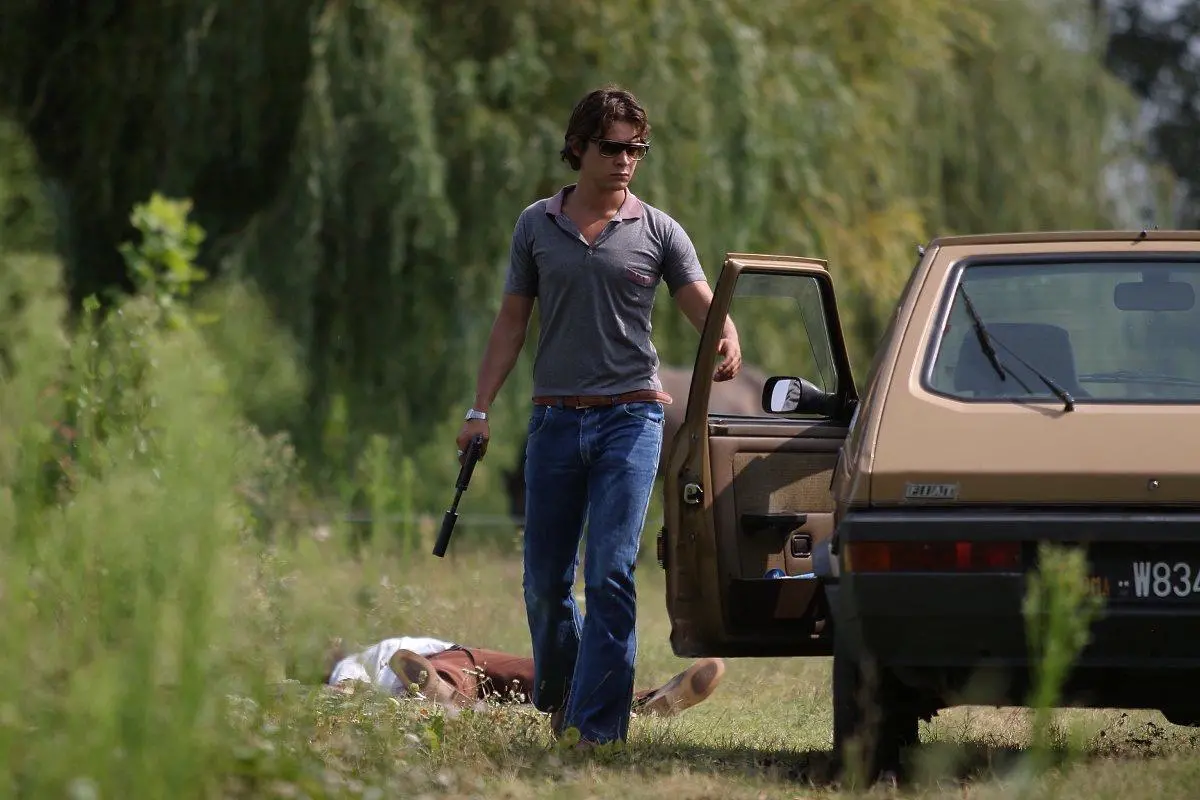
Riccardo Scamarcio

Copyright: Warner Bros
Pierfrancesco Favino

Copyright: Warner Bros
Michele Placido, Stefano Accorsi
Copyright: Warner Bros
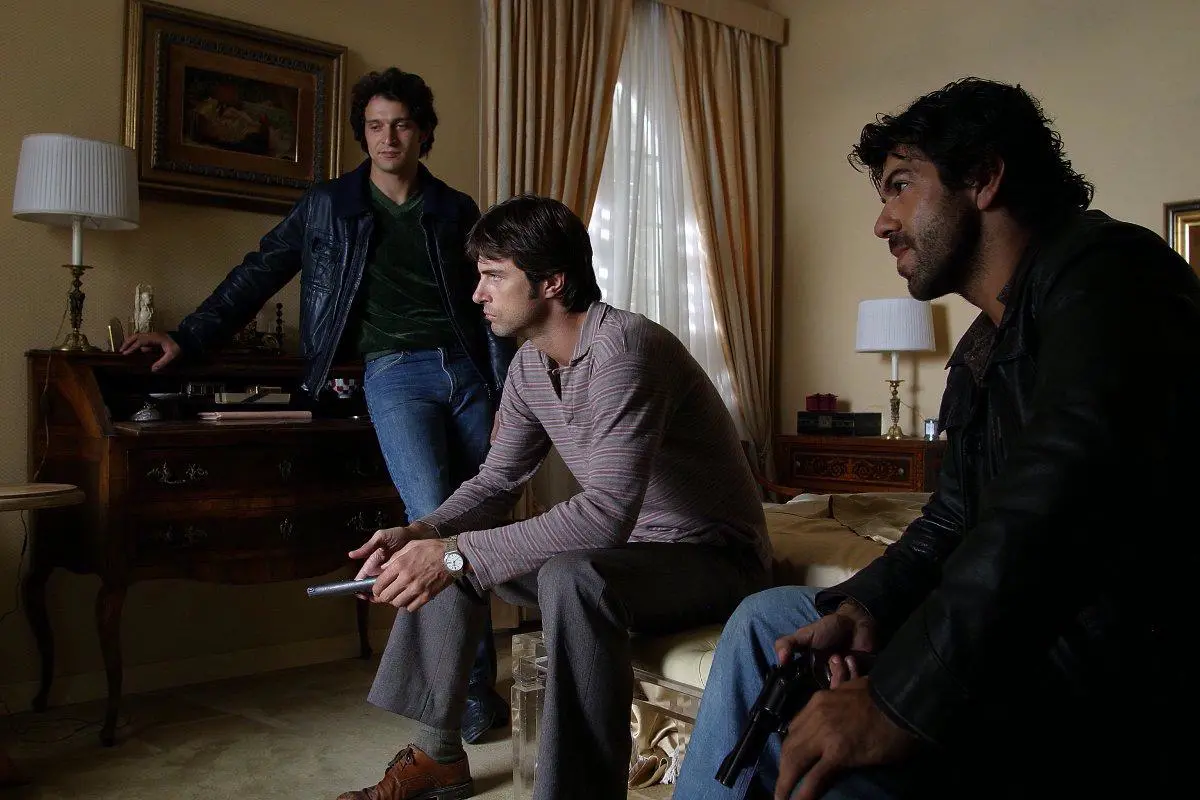
Claudio Santamaria, Kim Rossi Stuart, Pierfrancesco Favino

Cattleya, Babe Films, Warner Bros
Based on the novel of the same title by Giancarlo De Cataldo. The activities of the “Banda della Magliana” and its successive leaders (Libanese, Freddo, Dandi) unfold over twenty-five years, intertwining inextricably with the dark history of atrocities, terrorism and the strategy of tension in Italy, during the roaring 1980’s and the Clean Hands (Mani Pulite) era.
Nitrile, neoprene, or PVC chemical-resistant gloves alongside a protective heavy-duty work apron.
: Used during the startup of new cooling circuits to ensure they are free from initial microbial contamination.
The product works best when the cooling system cycles of concentration (COC) are maintained between 3 and 6 cycles. Frequent blowdown (bleed-off) is necessary to control the buildup of total dissolved solids (TDS), but excessive blowdown wastes water. Use a conductivity controller to automate bleed cycles.
A: No. The NSF registration explicitly requires that treated water/steam not contact edible products. Its approved uses are strictly limited to industrial cooling and process water only, not for potable water systems.
For a moment she considered ignoring it. Then she thought of every line she'd traced in the control room. The monitors were a map; someone telling her not to look at them was either a threat or a warning.
While the exact proprietary formula of Nalco 93033 is protected, technical data sheets and industrial analyses confirm it belongs to the family of . Its key active ingredients include:
In the heart of a high-tech manufacturing plant, the air hummed with the rhythmic pulse of TRUMPF industrial lasers. These machines were the lifeblood of the facility, cutting through steel with surgical precision. But even the strongest steel-cutters have a vulnerability:
Industries such as mining, oil & gas, and manufacturing use NALCO 93033 to enhance the efficiency of their processes. This includes preventing scale buildup, reducing corrosion, and improving the quality of process water.
"Of course." Elias's voice was steady. "Which is why Nalco ships only under strict chain-of-custody protocols. But someone can replicate the formula—it's not magic. Or someone with access can misuse it. We never intended it as a tool for deception."
“Routine compliance,” her supervisor had said, handing her the case file. “Check the delta for rare earth signatures. Nothing exciting.”
The properties of NALCO 93033 that make it an effective solution include:
In the world of industrial water treatment, few product codes carry as much weight as . Manufactured by Ecolab’s Nalco Water division, this specialty chemical is a liquid scale and corrosion inhibitor designed primarily for open recirculating cooling water systems. For facility managers, plant engineers, and water treatment professionals, understanding the precise application, chemistry, and safety protocols for Nalco 93033 is critical to maximizing system efficiency and extending equipment lifespan.
High vapor concentrations can induce central nervous system depression, dizziness, nausea, headache, or stupor.
Inside the complex network of each laser, a cooling circuit circulated thousands of liters of water to keep the optics and resonators from overheating. Without proper care, this water could become a silent killer. Minerals would calcify into "scales," and oxygen would eat away at the metal, causing internal rust and clogs. The Intervention
Nalco 93033 holds an official registration under the NSF International Nonfood Compounds Directory . G7 NSF Registration Number: 141254
: Immediately flush eyes with clean water for at least 15 minutes while keeping eyelids open. Seek immediate medical attention.
Nitrile, neoprene, or PVC chemical-resistant gloves alongside a protective heavy-duty work apron.
: Used during the startup of new cooling circuits to ensure they are free from initial microbial contamination.
The product works best when the cooling system cycles of concentration (COC) are maintained between 3 and 6 cycles. Frequent blowdown (bleed-off) is necessary to control the buildup of total dissolved solids (TDS), but excessive blowdown wastes water. Use a conductivity controller to automate bleed cycles.
A: No. The NSF registration explicitly requires that treated water/steam not contact edible products. Its approved uses are strictly limited to industrial cooling and process water only, not for potable water systems.
For a moment she considered ignoring it. Then she thought of every line she'd traced in the control room. The monitors were a map; someone telling her not to look at them was either a threat or a warning.
While the exact proprietary formula of Nalco 93033 is protected, technical data sheets and industrial analyses confirm it belongs to the family of . Its key active ingredients include:
In the heart of a high-tech manufacturing plant, the air hummed with the rhythmic pulse of TRUMPF industrial lasers. These machines were the lifeblood of the facility, cutting through steel with surgical precision. But even the strongest steel-cutters have a vulnerability:
Industries such as mining, oil & gas, and manufacturing use NALCO 93033 to enhance the efficiency of their processes. This includes preventing scale buildup, reducing corrosion, and improving the quality of process water.
"Of course." Elias's voice was steady. "Which is why Nalco ships only under strict chain-of-custody protocols. But someone can replicate the formula—it's not magic. Or someone with access can misuse it. We never intended it as a tool for deception."
“Routine compliance,” her supervisor had said, handing her the case file. “Check the delta for rare earth signatures. Nothing exciting.”
The properties of NALCO 93033 that make it an effective solution include:
In the world of industrial water treatment, few product codes carry as much weight as . Manufactured by Ecolab’s Nalco Water division, this specialty chemical is a liquid scale and corrosion inhibitor designed primarily for open recirculating cooling water systems. For facility managers, plant engineers, and water treatment professionals, understanding the precise application, chemistry, and safety protocols for Nalco 93033 is critical to maximizing system efficiency and extending equipment lifespan.
High vapor concentrations can induce central nervous system depression, dizziness, nausea, headache, or stupor.
Inside the complex network of each laser, a cooling circuit circulated thousands of liters of water to keep the optics and resonators from overheating. Without proper care, this water could become a silent killer. Minerals would calcify into "scales," and oxygen would eat away at the metal, causing internal rust and clogs. The Intervention
Nalco 93033 holds an official registration under the NSF International Nonfood Compounds Directory . G7 NSF Registration Number: 141254
: Immediately flush eyes with clean water for at least 15 minutes while keeping eyelids open. Seek immediate medical attention.